

TMJ TREATMENT IN PARKLAND, FL
Jaw pain, headaches, clicking sounds, or soreness when you chew are not things you should have to live with. At Parkland Orthodontics we help patients get rid of those sysmptoms through TMJ treatment.

SCHEDULE A CONSULTATION
TMJ Disorder and Treatment
TMJ disorder can quietly affect your daily comfort, sleep, and overall quality of life. At Parkland Orthodontics, we take a comprehensive approach to TMJ treatment in Parkland, Coral Springs and Boca Raton, offering both conservative and advanced solutions based on what is actually causing your symptoms—not a one-size-fits-all recommendation.
Understanding TMJ Disorder and Symptoms
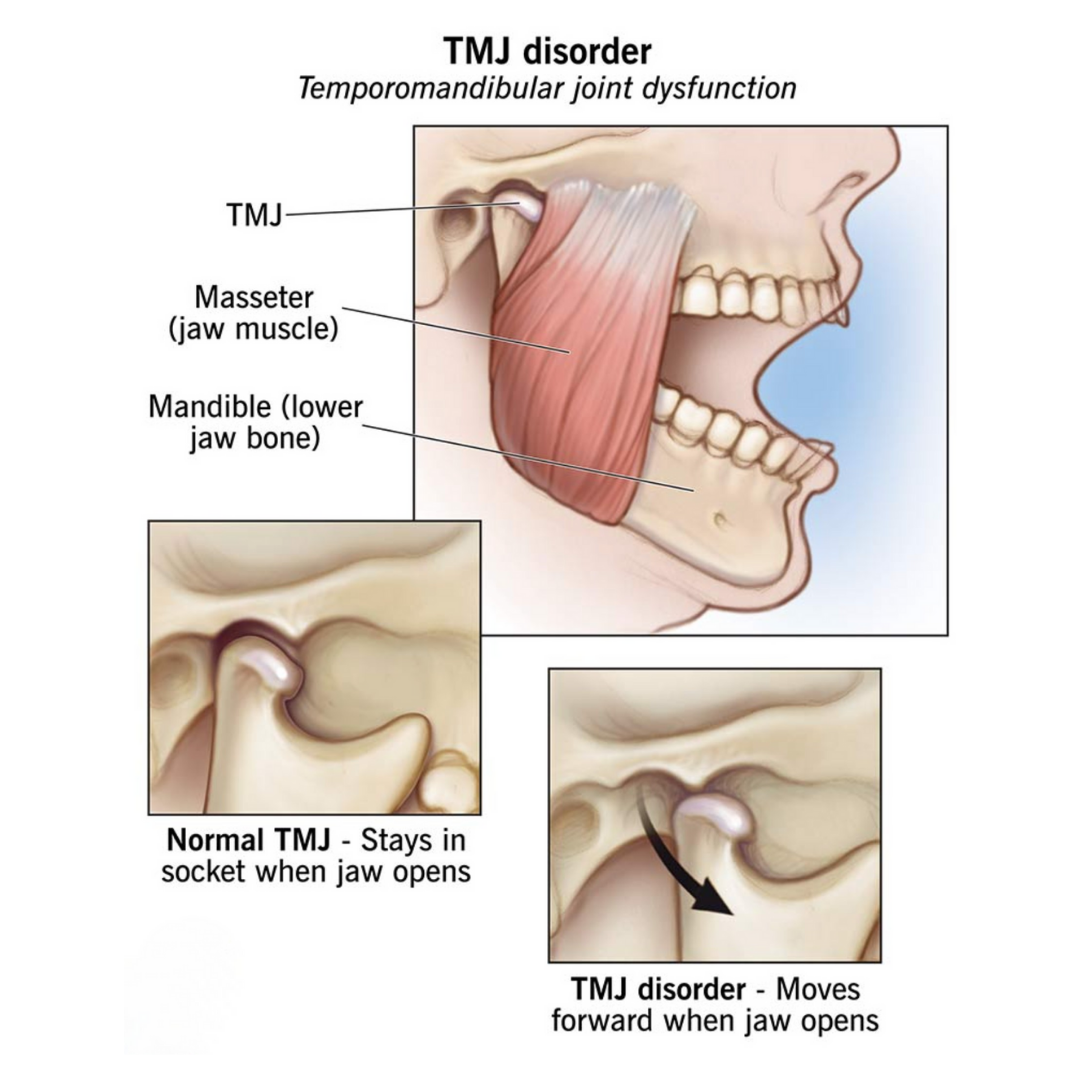
The temporomandibular joint connects your jaw to your skull and plays a role in speaking, chewing, and everyday movement. When this joint or the surrounding muscles are strained or misaligned, it can lead to symptoms such as jaw pain, facial soreness, earaches, frequent headaches, jaw locking, or popping and clicking sounds.
Many patients are surprised to learn that TMJ symptoms often have more to do with bite alignment and muscle strain than the joint itself. Identifying the source of the problem allows us to recommend treatment that provides lasting relief rather than temporary fixes.
TMJ Treatment Solutions
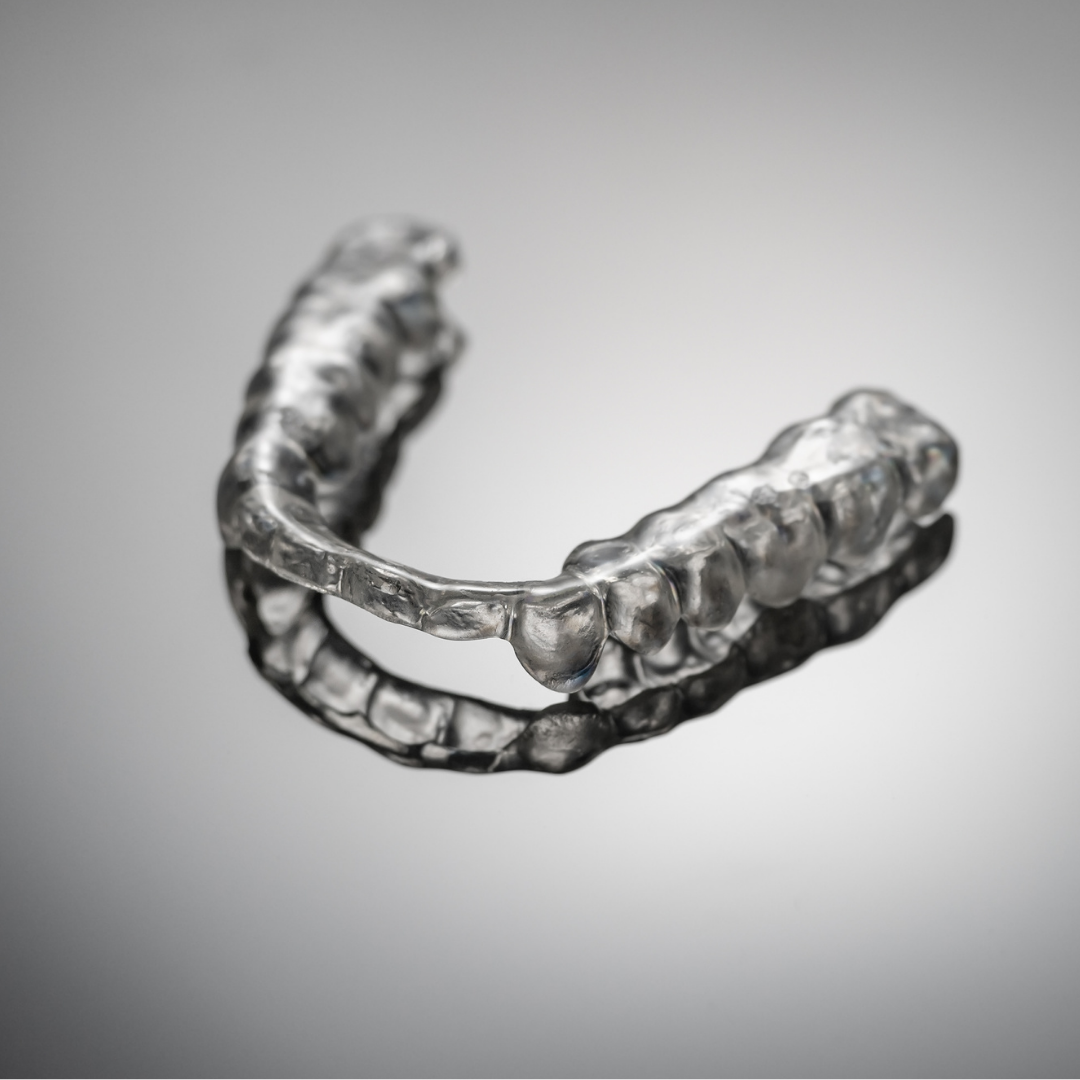
Custom Night Guards for Teeth Grinding and Clenching
Nighttime clenching and grinding, also known as bruxism, is a common contributor to TMJ pain. Custom night guards are designed to fit your bite precisely, reducing pressure on the jaw joint and protecting your teeth from wear.
Unlike over-the-counter mouthguards, professionally made night guards are tailored to your jaw alignment and provide better comfort and effectiveness. For many patients, this is a simple but powerful step toward reducing morning jaw pain and preventing further joint stress.
Botox for TMJ Pain Relief
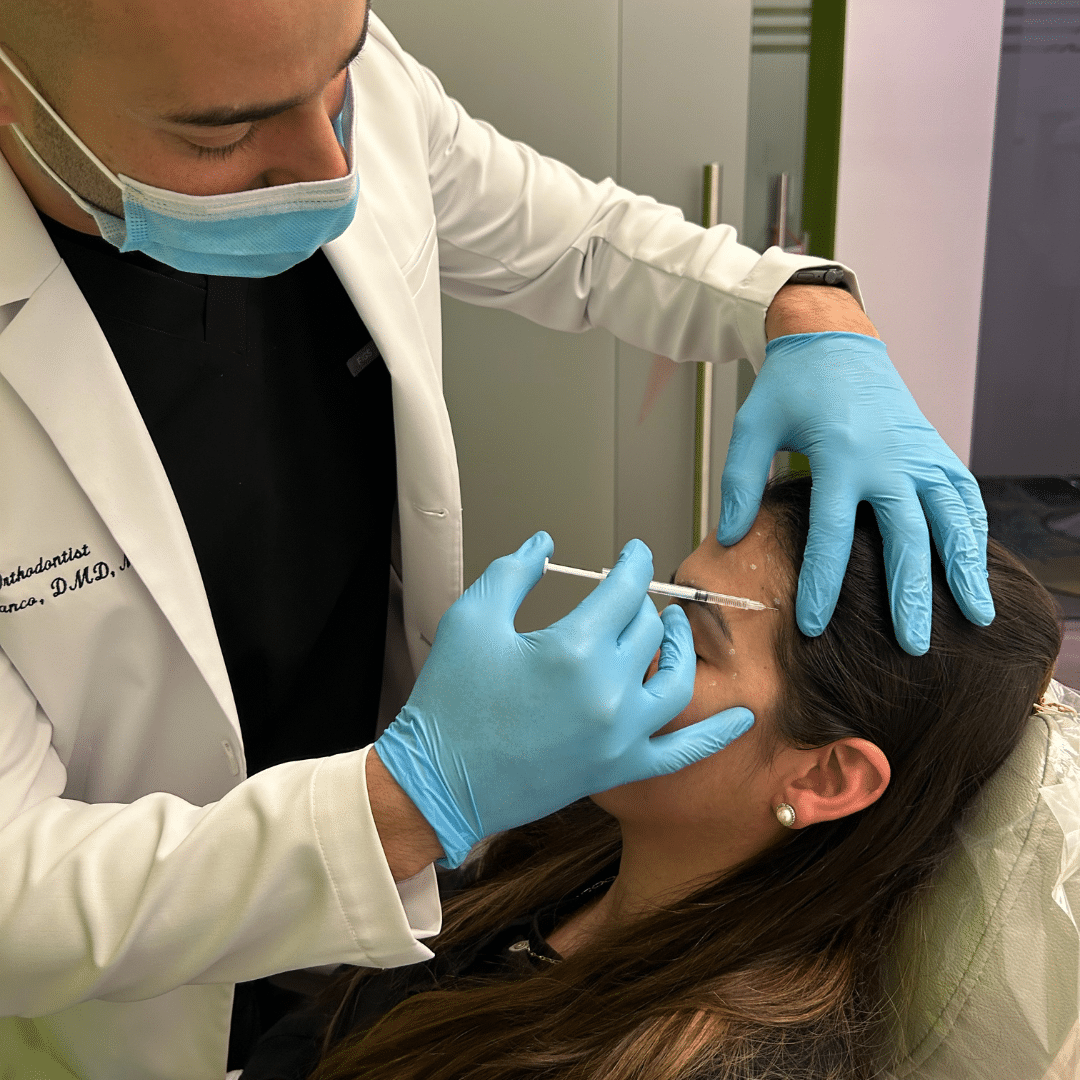
For patients whose TMJ pain is caused by muscle overactivity, Botox can be an effective option. Botox works by relaxing the overworked jaw muscles that contribute to clenching, grinding, and tension-related pain. When those muscles are able to relax, pressure on the joint decreases, often reducing headaches, jaw soreness, and facial tension.
Botox for TMJ is not about cosmetics—it is a therapeutic option designed to relieve pain and improve function. Many patients notice improvement within days, with results that can last several months. This treatment is often used alongside orthodontic or bite-correction solutions for more complete relief.

Invisalign for TMJ and Bite Alignment
When TMJ disorder is related to bite imbalance or misaligned teeth, Invisalign can play an important role in long-term relief. Invisalign gradually moves teeth into better alignment, helping the jaw close more naturally and evenly. This can reduce strain on the temporomandibular joint and surrounding muscles over time.
Using Invisalign for TMJ treatment focuses on correcting the underlying bite issue rather than masking symptoms. Many patients appreciate that Invisalign offers a discreet, comfortable way to improve both jaw function and smile aesthetics at the same time.
TMJ Treatment FAQ
What is TMJ disorder?
TMJ disorder, or temporomandibular joint dysfunction, affects the hinge joint that connects your jaw to your skull. It can cause jaw pain, clicking, headaches, and difficulty chewing or opening your mouth fully.
How do braces or Invisalign® help with TMJ pain?
Braces and Invisalign® can help align your teeth and bite, reducing uneven pressure on the jaw joint. When your teeth fit together properly, it allows your jaw muscles to relax — easing pain and improving function.
Can a mouthguard really help with TMJ?
Yes. Custom mouthguards or splints can protect your teeth from clenching and grinding, which are common causes of TMJ discomfort. They also help keep your jaw in a relaxed position while you sleep.
Do I need surgery for TMJ treatment?
Most patients find relief through conservative, non-surgical treatments such as orthodontic care or custom splints. Surgery is only considered when other options are ineffective, and Dr. Franco will guide you through every step if that’s necessary.
How do I know if my jaw pain is from TMJ?
If you notice symptoms like jaw clicking, locking, headaches, or soreness near your ears, you may have TMJ disorder. Dr. Franco can perform a detailed evaluation to identify the cause and recommend the right treatment plan.